

You search property conveyancer near me because your settlement date is locked in and you want the handover to run on time. Most buyers and sellers think conveyancing starts when they sign an engagement letter, but it doesn’t. The work begins before the conveyancer touches the file, and every day you wait to organise it is a day you push the outcome closer to the wire. A property transaction in NSW involves dozens of documents, approvals, searches and clearances, and the ones you control are often the ones that hold up settlement. Here’s what to sort now, before you book anyone.
A property conveyancer near me handles the legal transfer of ownership, from contract review through to settlement and registration. The faster you hand over accurate documents and respond to requests, the faster your lawyer can flag risks, negotiate terms and coordinate with the other side’s solicitor. Most delays come from missing paperwork on the client’s end, not from the conveyancer’s office.
Key Takeaways
- Conveyancers need your ID, mortgage approval and contract within days of engagement
- Missing Section 10.7 certificates or strata reports stall exchange by weeks in Sydney
- Sellers must arrange rates, water and body corporate clearances before settlement
- Buyers book building and pest inspections early or risk losing their cooling-off period
- Fixed-fee conveyancing lets you know the cost before you commit
Gather Identification and Proof of Funds
Every conveyancing transaction in NSW begins with Verification of Identity, a step required under NSW Fair Trading anti-money-laundering rules. Your lawyer needs a certified copy of your driver licence or passport, proof of your current residential address, and a declaration of identity. If you’re buying as a company or trustee, add the trust deed, company extract and director ID. Wait until the conveyancer asks and you’ve already lost a week.
Buyers must also prove they can settle. That means a mortgage pre-approval letter showing the loan amount and the lender’s name, or a bank statement showing the full purchase price plus stamp duty and costs in an accessible account. Sellers who still have a mortgage registered on title need their loan account number and discharge authority form ready for their bank, because the discharge takes time to prepare. If you’re selling to clear debt, tell your conveyancer the payout figure on day one so they can calculate what you walk away with after settlement.
Overseas buyers or sellers face extra steps. Non-residents pay higher stamp duty and must apply for Australian Taxation Office clearance certificates before settlement, which can take time. If you’re offshore, arrange a power of attorney before the contract is exchanged, not the week before settlement when it’s too late to courier documents internationally.
Order Property Searches and Reports Early
Buyers in NSW have a five-business-day cooling-off period after exchange, and you forfeit a percentage of the purchase price if you pull out. Most people use that window to organise building and pest inspections, strata reports and a final walk-through, but those reports take time to book and the inspector’s diary fills fast in a busy market. Ring the inspector before you exchange, not after. A termite infestation or structural defect found on day four gives you no time to renegotiate or withdraw cleanly.
Strata buyers need the strata report before they commit. The report shows levies, special levies, building defects, insurance claims, by-law restrictions and whether the owners corporation is solvent. A building with significant remediation bills and insufficient sinking fund reserves is a liability you inherit at settlement, and the contract rarely lets you walk away once you’ve exchanged. Your conveyancer orders the report through the strata manager, but the turnaround in Sydney CBD and inner suburbs can stretch out when the building is large or the manager is slow.
Sellers prepare a contract that includes a Section 10.7 certificate from council, showing rates, zoning, building approvals and any orders or restrictions on the property. The certificate takes time in some Sydney councils. Without it, the property cannot legally be advertised. If you’re selling a strata lot, the contract must also attach a strata information certificate under the Strata Schemes Management Act. Delay either and you delay the listing, the buyer’s due diligence and the deposit. The agent will push you to exchange fast once a buyer appears, so have the documents ready before the first open home.
| Document | Who Orders It | Typical Turnaround |
|---|---|---|
| Building and pest inspection | Buyer | Several business days |
| Strata report | Buyer’s conveyancer | Varies with building size |
| Section 10.7 council certificate | Seller’s conveyancer | Up to several weeks in some councils |
| Mortgage discharge | Seller’s lender | Takes time to prepare |
| Title search | Either side’s conveyancer | Instant to several business days |
Arrange Clearances and Settlement Adjustments
Settlement in NSW happens online through PEXA, so neither party attends an office. Your conveyancer lodges the transfer, pays out mortgages, adjusts rates and body corporate levies, and registers the new owner on title, all in one coordinated session. That only works if every clearance certificate and adjustment figure is ready the week before settlement. Sellers must request a rates clearance from council and a water usage clearance from Sydney Water. Both are mandatory and each takes time. If your property is in a strata scheme, you also need a levy clearance from the owners corporation showing all levies are paid to settlement date.
Buyers arranging finance must stay in close contact with their broker and lender. The bank orders its own valuation and reviews your income, liabilities and employment before it releases funds to PEXA. Any change in your financial position between pre-approval and settlement, such as a new credit card, a job change or a second property purchase, can delay or void the loan. Tell your conveyancer immediately if the lender asks for extra documents or pushes the settlement date. A buyer who loses finance and cannot settle faces a contract breach, forfeits the deposit and may be sued for damages if the seller resells at a lower price.
Commercial property buyers and tenants deal with additional layers. A commercial lease assignment requires the landlord’s consent, the outgoing tenant’s disclosure of rent arrears and outgoings, and confirmation that no breach notices are current. A commercial property purchase may involve land tax, capital gains tax clearances, GST withholding and business name transfers. These are rarely simple and never fast. Speak to a property lawyer who handles both conveyancing and leasing before you sign anything, because mistakes on a commercial contract cost more than the legal bill to fix them.
Work with Sarah Walsh Conveyancing & Leasing
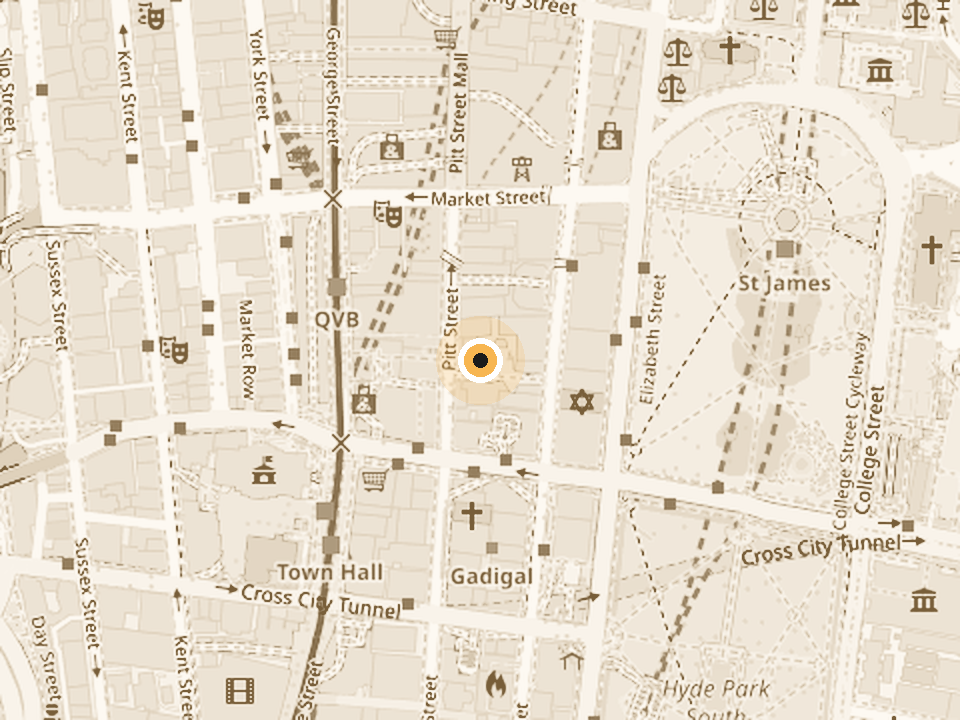
Sarah Walsh Conveyancing & Leasing acts for buyers, sellers, landlords and tenants across Sydney and NSW, with offices in Sydney CBD, Edgecliff, Pyrmont, Neutral Bay and North Strathfield. As a solicitor, Sarah handles the full transaction, from contract review through to lease assignment, settlement and registration, so you don’t need separate firms for conveyancing and leasing. Her fixed-fee pricing means you know the cost before you commit. Book an initial chat or call 0493 291 572 to discuss your next property transaction.
Frequently Asked Questions
How much do you pay for a conveyancer?
Conveyancing fees vary with the property type, transaction complexity and whether you engage a licensed conveyancer or a solicitor. Disbursements such as PEXA fees, title searches, Section 10.7 certificates and transfer registration add to the total.
How much are conveyancing fees usually?
NSW residential conveyancing fees vary depending on whether you engage a licensed conveyancer or a solicitor, and whether disbursements are included in the quote. Commercial work costs more because contracts are longer, due diligence is deeper and settlement carries higher stakes.
Is it better to use a solicitor or a conveyancer?
A solicitor can handle conveyancing, leasing, contract disputes and litigation under one roof, which matters when your property transaction involves a lease assignment, boundary dispute or vendor breach. A licensed conveyancer is limited to property transfers and cannot advise on leases or represent you in court. For commercial property or a transaction tied to a business sale, a solicitor offers broader protection.
What should I look for in a property lawyer in Sydney?
Look for fixed-fee pricing so you know the cost upfront, experience in both conveyancing and leasing if your matter involves a lease, and a track record of meeting settlement deadlines. Ask how they communicate, whether they use junior staff or handle the file themselves, and what their response time is when issues arise. A lawyer who has worked on large commercial deals brings discipline and foresight to smaller transactions.
Can an executor sell property before probate is granted?
An executor cannot sell estate property before a grant of probate is issued unless the will includes a specific power to do so or all beneficiaries consent in writing. Once probate is granted, the executor has legal authority to exchange and settle. Buyers should never exchange on estate property without sighting the grant, because the executor has no authority to sell without it and the contract may be void.
What This Means for Property Conveyancer Near Me
The best way to keep a property transaction on track is to prepare before conveyancing starts. Organise your ID, proof of funds, mortgage pre-approval and property searches early, respond to your lawyer’s requests the same day, and book inspections before you exchange. Delays cost money, stress and sometimes the deal itself. A property conveyancer works faster when you give them everything they need up front.
Have a lease or contract to sign?
Sarah Walsh reviews, drafts and negotiates commercial and retail leases for tenants and landlords, and handles conveyancing for buyers and sellers across Sydney, on a fixed fee. Get it checked before you sign.