
Most tenants sign a commercial lease negotiation document once their lawyer explains what it says, but not what it costs. A few open the numbers spreadsheet later, realise the outgoings budget missed a line item, the rent review starts soon, and the rent-free period has already burned. The gap between what the lease allows and what a business actually needs to operate is where lease negotiation earns its place, not in the lawyer’s letter but in the tenant’s cash flow over the lease term.
Commercial lease negotiation in Sydney CBD decides whether a retail or office tenant locks in occupancy costs they can model, or accepts clauses that shift cost and risk onto them with every review, every repair, and every month the landlord recovers an undisclosed charge. A landlord who drafts the lease writes it to protect the asset and maximise return, which is commercially rational and exactly why a tenant needs independent advice before signing.
Key Takeaways
- Effective rent includes incentives, outgoings and GST – never compare face rent alone
- Rent review clauses compound over the lease term and set the future cost base
- Outgoings and capital expenditure recovery clauses shift landlord costs directly onto the tenant
- Assignment and subletting clauses decide whether you can exit early or share the space
- Make-good obligations at lease end can be significant if not negotiated upfront
Rent Structure: What the Real Occupancy Cost Is
Most lease negotiations start with the annual rent, but the figure quoted is almost never the cost a tenant pays. Sydney CBD office rents vary widely by grade and location, but those quoted figures are often net effective amounts after incentives. Face rents – the number written into the lease – run materially higher, with incentives offsetting a substantial portion of that headline figure.
A tenant who compares only face rents across two offers misses the real cost. One landlord quotes a higher amount with longer rent-free periods and a fit-out contribution. Another quotes a lower amount with shorter rent-free periods and no contribution. Over a multi-year lease, the first offer can cost less despite the higher face rent, and the second offer sets a higher base for every future review.
Effective rent includes the value of incentives amortised over the lease term, but it still excludes outgoings, GST, utilities and fit-out. The true occupancy cost runs materially higher once those items are added, and most tenants only discover that after exchange. A lease negotiation that stops at the rent line without modelling the full cash-flow impact leaves money on the table.
Retail leases in NSW require a disclosure statement that sets out estimated outgoings, but the landlord’s estimate is not a cap. A tenant who accepts the estimate without asking for historical data or an itemised budget risks an outgoings bill that substantially exceeds the expected cost. Office leases carry no statutory disclosure requirement, so the tenant’s lawyer has to request the same information and negotiate a cap, exclusions or both.
Rent Reviews and Options: The Clauses That Compound
A rent review clause feels abstract when the lease starts, but it resets the cost base regularly over the entire term. A fixed percentage annual increase lifts rent substantially over multiple years before inflation, outgoings or market movement. A CPI review tracks inflation, which fluctuates over time. A market review resets rent to what a new tenant would pay, which in a rising market can jump significantly in one review.
Most landlords write a ratchet clause into market reviews, which means rent can only rise or stay flat – it cannot fall even if the market softens. A tenant who signs a market review with a ratchet in current market conditions locks in prevailing rents as the floor for every future review, and if Sydney CBD vacancy tightens further the next review pushes rent higher again. A tenant with negotiating leverage can sometimes remove the ratchet, cap the increase to a percentage, or secure a blend of CPI and market.
Options to renew sound like security, but the lease almost always requires the tenant to accept the renewal on whatever terms the landlord offers, including a new market rent and revised outgoings. An option is worth negotiating only if it includes a formula for the renewal rent – fixed percentage, CPI, or a pre-agreed cap – and states that other terms remain unchanged. Without that protection, the option gives the tenant the right to negotiate a new lease at whatever price the landlord names, which is not security at all.
Outgoings, Assignment Rights and Make-Good: The Hidden Costs
Outgoings clauses in commercial leases shift the landlord’s operating costs onto the tenant, and the categories recovered vary widely. Standard recoveries include council rates, water, building insurance, repairs, cleaning, security and management fees, but some leases also recover capital expenditure, depreciation, debt service and even vacancy costs for other tenants. A tenant who accepts a gross outgoings clause without exclusions can find themselves paying for the landlord’s lift upgrade, roof replacement or loan interest.
Negotiating outgoings starts with requesting historical audited accounts for the building, then excluding capital expenditure, non-essential upgrades, costs related to other tenants, landlord’s insurance excess, and any cost the landlord would incur whether the tenant occupied the space or not. Office tenants should negotiate a cap expressed as a dollar amount per square metre or as a percentage increase per period. Retail tenants already receive statutory protection under the Retail Leases Act 1994, which limits some recovery categories, but the Act does not cap the total amount.
Assignment and subletting clauses decide whether a tenant can exit the lease early by transferring it to another business, or share the space to reduce cost. Most leases say the landlord’s consent is required and cannot be unreasonably withheld, but what counts as reasonable is open to interpretation. A landlord can refuse a proposed assignee on financial grounds, use grounds, or fit-out grounds, and a tenant who cannot assign stays liable for rent until expiry even if the business fails or relocates.
Negotiating this clause means defining what reasonable grounds are – typically that the assignee is financially sound, will use the premises for a permitted purpose, and agrees to the existing lease terms. A tenant with strong leverage can sometimes negotiate a release clause, where landlord consent to assignment releases the original tenant from further liability. Without that, the original tenant remains a guarantor for the new tenant’s obligations, which most business owners do not discover until the assignee defaults and the landlord sues both parties.
Make-good obligations require the tenant to return the premises to a specified condition at lease end, which usually means removing partitions, cabling, signage, kitchen equipment and any alterations, then repairing and repainting. Retail fit-outs in hospitality or beauty often include grease traps, exhaust systems, floor finishes and fixed joinery, and removing all of that at lease end can be costly. A tenant who negotiates the make-good clause at lease start can sometimes agree to leave certain fixtures in place, provide a bond in lieu of works, or obtain a photographic condition report that limits the required standard.
| Lease Term | What to Negotiate | What It Costs If You Don’t |
|---|---|---|
| Rent review clause | Fixed cap, CPI formula, remove ratchet | Rent rises substantially over the term with no ceiling |
| Outgoings recovery | Exclude capital expenditure, cap increases | Unbudgeted bills for building upgrades and landlord debt |
| Assignment clause | Define reasonable grounds, negotiate release | Locked into lease for full term even if business fails |
| Make-good obligation | Leave fit-out in place, photographic report, bond cap | Significant reinstatement bill at lease end |
How a Leasing Lawyer Handles the Negotiation
A property lawyer who works on commercial leasing reviews the terms sheet before the lease is drafted, flags the clauses that shift risk or cost onto the tenant, and requests amendments that protect the tenant’s position. That front-end work costs less than negotiating a drafted lease, and it sets the structure before the landlord commits to wording. Once the lease is drafted, the lawyer reviews every clause for ambiguity, missing protections, and cost implications, then negotiates amendments with the landlord’s lawyer or agent.
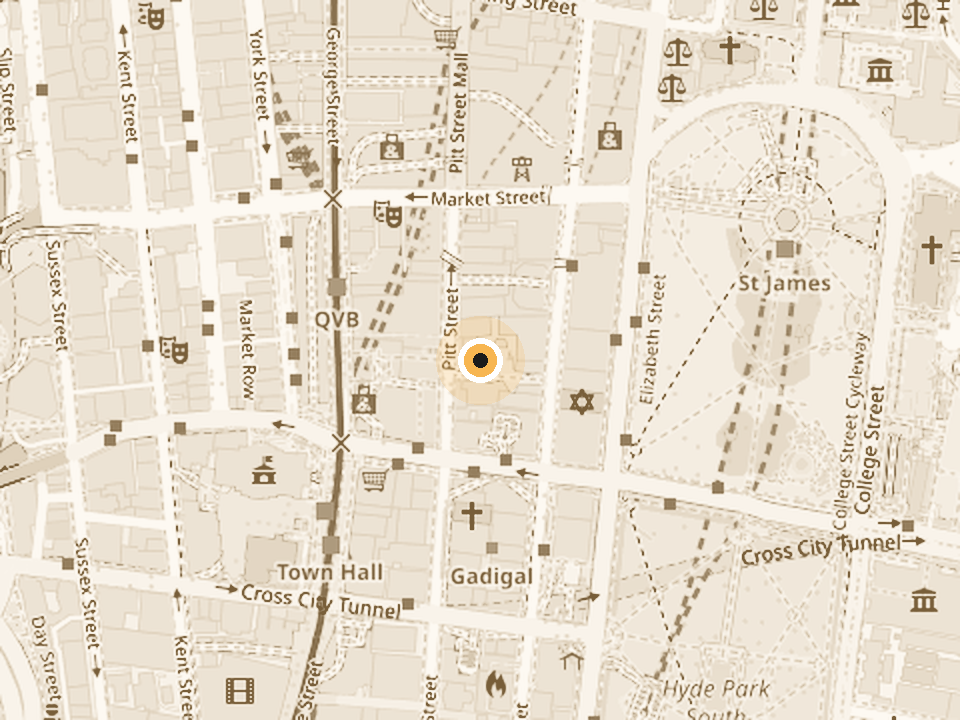
Sarah Walsh works with both retail and office tenants across Sydney CBD and surrounding areas, advising on disclosure statements, terms sheets and lease drafts before they are signed. She also acts for landlords who want a lease that protects the asset without creating later disputes. The firm’s fixed-fee structure means a tenant knows the legal cost upfront, which removes one variable from the leasing decision. Most leasing enquiries start with a terms sheet review or a call to discuss what the tenant needs from the lease, and the firm handles everything from that point through to registration with NSW Land Registry Services.
Tenants often ask whether they need a lawyer if the agent says the lease is standard. The agent works for the landlord and earns commission when the lease is signed, so their interest is in closing the deal quickly, not in protecting the tenant. A standard lease is standard for the landlord’s benefit, and almost every clause in it can be negotiated if the tenant has advice early enough. Waiting until after signing to discover a problematic clause costs more to fix – if it can be fixed at all – than negotiating it before exchange.
If you are comparing commercial premises in Sydney CBD or nearby areas and want to understand what the lease will actually cost you over its full term, book an initial discussion with Sarah. The firm reviews lease documents, negotiates terms, and handles registration, so one lawyer takes the leasing matter from terms sheet through to occupancy. That continuity means nothing is missed, and the tenant gets advice that fits how their business actually operates, not just what the lease technically allows.
Frequently Asked Questions
Can you get out of a commercial lease?
A tenant can exit a commercial lease early by negotiating a surrender agreement with the landlord, assigning the lease to another tenant with landlord consent, or subletting the space if the lease permits it. Most commercial leases do not include a break clause, so the tenant remains liable for rent until expiry unless the landlord agrees to release them. If the business fails and the tenant walks away, the landlord can sue for unpaid rent, outgoings and costs, and enforce any bank guarantee or personal guarantee the tenant provided.
How to get out of a commercial lease?
The most common exit routes are assignment, subletting or negotiated surrender. Assignment transfers the lease to a new tenant who takes over all obligations, but the landlord must consent and the original tenant often remains liable as guarantor. Subletting lets the tenant lease the space to another party while staying responsible for the head lease, which reduces cost but does not end the obligation. Negotiated surrender requires the landlord’s agreement and usually involves a payment to release the tenant early, calculated as a portion of the remaining rent plus the landlord’s costs to re-let.
What does lease option mean?
A lease option gives the tenant the right to renew the lease for an additional term after the initial term expires, on conditions set out in the lease. The option is exercised by giving written notice to the landlord within a specified period before expiry. The renewal rent is either stated in the lease as a fixed amount, a percentage increase, or a market review, and most options require the tenant to have complied with all lease obligations during the initial term.
What is a guarantor for a lease?
A guarantor is a person or company that agrees to pay the rent and meet the lease obligations if the tenant defaults. Most commercial landlords require a director’s guarantee or a parent company guarantee when the tenant is a company with limited assets, which makes the individual or parent entity personally liable for the lease. The guarantee usually covers the full lease term including any option periods, and it survives assignment unless the landlord agrees to release the guarantor when the lease is transferred.
What is a triple net lease?
A triple net lease requires the tenant to pay all outgoings in addition to base rent, including council rates, building insurance and maintenance costs. The structure is common in standalone commercial buildings where one tenant occupies the whole premises, and it shifts most operating expenses from the landlord to the tenant. The tenant pays a lower base rent in exchange for covering the outgoings, but the total occupancy cost can be higher and less predictable than a gross lease where the landlord absorbs those costs.
What This Means for Commercial Lease Negotiation
A commercial lease sets the occupancy cost over its term, and the terms negotiated before signing decide whether that cost is predictable or open-ended. Most landlords draft leases to protect their position, which is commercially rational and exactly why a tenant needs independent advice before exchange. The clauses that matter most – rent reviews, outgoings recovery, assignment rights and make-good obligations – are all negotiable if the tenant has advice early enough, but they become fixed obligations once the lease is signed.
Have a lease or contract to sign?
Sarah Walsh reviews, drafts and negotiates commercial and retail leases for tenants and landlords, and handles conveyancing for buyers and sellers across Sydney, on a fixed fee. Get it checked before you sign.