

The moment you sign a commercial lease or conveyancing contract, every line becomes enforceable. When a tenant discovers a bank guarantee clause three months into occupancy, or a buyer finds a restrictive covenant two days before settlement, the only question that matters is whether anyone checked the contract when it could still be negotiated. That is where a property solicitor at a law firm sydney cbd earns their fee.
A law firm Sydney CBD clients choose for commercial leasing or conveyancing should review the contract before you sign it, negotiate terms that protect your position, and manage the transaction through to registration or settlement. Sarah Walsh Conveyancing & Leasing does exactly that: reviews retail and commercial leases for tenants and landlords, drafts lease terms suited to your premises, handles conveyancing for buyers and sellers, and structures each file as a fixed fee so you know the cost before work starts.
Key Takeaways
- A property solicitor reviews contracts before you sign them, when terms can still be negotiated.
- Fixed-fee pricing lets you know the legal cost upfront, avoiding hourly billing surprises mid-transaction.
- Commercial and retail leases require disclosure statements, registration and careful review of outgoings and make-good clauses.
- Conveyancing involves contract review, exchange, stamp duty lodgement and settlement, all done online in PEXA.
- One firm can handle the lease, the sale and the purchase, for either side of the deal.
What a Property Lawyer Reviews Before You Sign
A commercial lease runs for years. A sale contract locks in the price, the settlement date and your obligations the moment both parties sign. Most disputes start with a clause that went unread or a risk that was never discussed.
For commercial and retail leases, Sarah reviews the Lease Terms Sheet first. That document sets out the rent, the term, the options to renew, the outgoings, the incentives and whether you can assign or sublet the lease. Once the terms sheet is agreed, the landlord’s solicitor drafts the lease itself. Sarah checks whether the lease matches the terms sheet, looks for clauses that shift cost or risk onto the tenant, and negotiates amendments before you sign. Common issues include rent review formulas that allow double-digit increases, outgoings definitions that pass every building cost to the tenant, make-good obligations that require you to remove fit-out at lease end, and personal guarantees that expose your home if the business fails. For landlords, she drafts a lease that protects the asset, sets clear maintenance and insurance obligations, and allows the landlord to terminate if the tenant breaches.
For conveyancing, Sarah reviews the Contract for Sale of Land, checks the title for caveats or restrictions, advises on cooling-off rights, negotiates special conditions with the other side, and handles exchange. She then lodges the stamp duty application with Revenue NSW, completes Verification of Identity, liaises with your bank or the buyer’s bank, and settles the transaction online in PEXA so you do not need to attend. Settlement adjustment figures are sent the week before settlement, and a post-settlement report follows once the transfer is registered.
Because Sarah is a solicitor, not only a licensed conveyancer, one firm can handle the purchase, the sale and the lease on the same property, for either side. That continuity matters when a business buyer needs the lease assigned at the same time as the property settles, or when a landlord sells a tenanted building and the lease must be reviewed as part of the contract.
Fixed Fees and What Drives the Cost
Sarah quotes a fixed fee for each matter. You know the cost upfront, and the fee does not change if the contract takes longer to review or the other side asks for amendments. Disbursements such as searches, registration fees and title documents are additional, and the quote specifies those separately.
What makes a file more complex, and therefore more expensive, is the work required. A straightforward residential purchase with a standard contract, no caveats and a bank loan takes less time than a commercial lease negotiation involving incentives, fit-out deeds, make-good clauses and a sublease option. A retail lease in a shopping centre has disclosure requirements under the Retail Leases Act 1994 (NSW), and the landlord must provide an estimate of outgoings and a marketing plan if the tenant pays promotion levies. Drafting that disclosure statement, reviewing it for compliance, and negotiating the lease terms takes more time than reviewing a short-term licence agreement.
The same applies to conveyancing. A straightforward sale with no building issues, no strata complications and a clean title settles faster than a purchase involving a contaminated land search, a dispute over boundary fences, or a buyer who needs contract amendments to match their finance approval. The legal fee reflects the scope of work, not the property value, though higher-value transactions sometimes involve more negotiation or stricter lender requirements.
People searching for a law firm Sydney CBD can choose from often compare large commercial firms, mid-tier practices and boutique property specialists. Large firms handle complex development projects and institutional leasing, usually on hourly billing. Mid-tier firms cover a wider range of commercial work, often with fixed fees for standard matters. Boutique property firms focus exclusively on leasing and conveyancing, with pricing tailored to small business tenants, landlords and residential buyers. Sarah started her career at a boutique commercial firm, then worked as a Property and Projects Solicitor at one of Australia’s largest firms, and founded her own practice to combine that experience with a fixed-fee, personal-service model.
The Transaction Process from Review to Completion
The process for a commercial lease starts when the landlord or agent sends the Lease Terms Sheet. Sarah discusses what you need from the lease, checks whether the terms sheet meets those requirements, and requests amendments. Once the terms sheet is agreed, the landlord’s solicitor drafts the lease. Sarah reviews it, advises you on each clause, negotiates changes, and facilitates signing and registration with NSW Land Registry Services. For retail leases over three years, registration is required within three months after signing. Once registration is complete, you receive a report confirming the lease formalities are finished and occupancy can start.
For tenants, the review covers whether the rent increases are capped, whether you can renew the lease without renegotiating every term, what outgoings you pay, whether you can assign the lease if you sell the business, and what condition you must leave the premises in at lease end. For landlords, the lease must protect the asset, set clear maintenance obligations, allow termination if the tenant breaches, and define what happens if the building is sold or redeveloped.
The conveyancing process starts when the vendor’s solicitor prepares the Contract for Sale of Land. In NSW, a home cannot be advertised until the contract is with the agent. For buyers, Sarah reviews the contract, advises on cooling-off rights and special conditions, negotiates terms with the vendor’s solicitor, and handles exchange. She then lodges the transfer duty application, completes Verification of Identity, liaises with your lender, attends settlement online in PEXA, and provides a post-settlement report once the transfer is registered. For sellers, she prepares the contract, drafts the terms, negotiates with the buyer’s solicitor, calculates settlement adjustments, attends settlement, disburses the sale proceeds to you and your bank, and gives a final report.
| Transaction Stage | What Happens | Who Does It |
|---|---|---|
| Lease Terms Sheet | Review and negotiate terms before the lease is drafted | Tenant’s or landlord’s solicitor |
| Lease Review | Check the lease matches the terms sheet, advise on risks, negotiate amendments | Tenant’s or landlord’s solicitor |
| Contract Review | Review the sale contract, advise on title and conditions, negotiate terms | Buyer’s or seller’s conveyancer |
| Exchange | Both parties sign and exchange contracts, deposit is paid | Both conveyancers |
| Settlement | Balance funds are transferred, title is transferred, possession is handed over | Both conveyancers in PEXA |
| Registration | Lease or transfer is registered on title | Land Registry Services |
Settlement is done online in PEXA, so you do not need to attend in person. The settlement date is set in the contract, and funds are transferred electronically on that day. Once settlement completes, the transfer or lease is registered on the title, and you receive a post-settlement report confirming the transaction is finished.
How Sarah Walsh Conveyancing & Leasing Can Help You
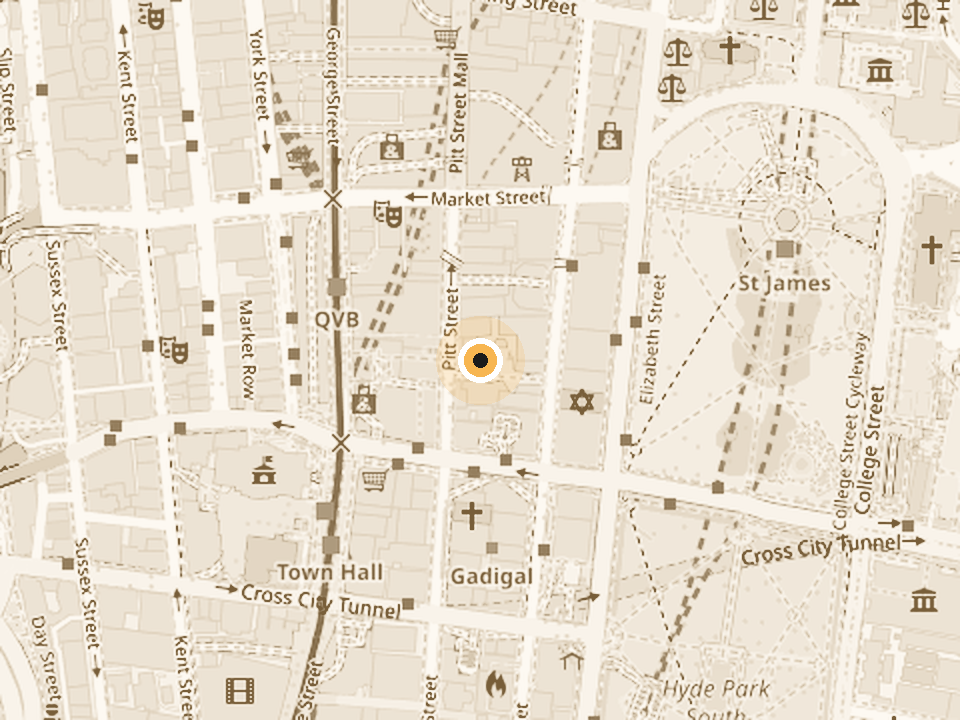
Sarah Walsh Conveyancing & Leasing acts for tenants, landlords, buyers, sellers and investors across Sydney and NSW. The firm reviews commercial and retail leases, drafts lease terms, negotiates amendments, and handles conveyancing from contract review through to settlement. All files are quoted as a fixed fee, so you know the cost before work starts. Leasing enquiries have their own form on the contact page, and you can book an initial chat with Sarah online or call 0493 291 572. The firm has offices in Sydney CBD, Edgecliff, Pyrmont, Neutral Bay and North Strathfield – all virtual, so meetings are booked first. Ask these questions before your settlement date to make sure your conveyancer has every detail covered.
Frequently Asked Questions
What should I look for when choosing a property lawyer in Sydney?
Look for a solicitor who specialises in property law, quotes a fixed fee upfront, reviews contracts before you sign them, and has experience with the type of transaction you are doing. A property lawyer should explain every clause in plain English, negotiate amendments to protect your position, and manage the file through to completion without you chasing for updates.
What is the cooling-off period when buying a house in NSW?
The cooling-off period in NSW is five business days from exchange of contracts for residential property purchases, unless you waived it by signing a Section 66W certificate. During the cooling-off period you can withdraw from the contract, but you forfeit 0.25% of the purchase price. The period does not apply to auction purchases or to commercial property.
What are the top law firms in Sydney for commercial property?
The largest commercial firms in Sydney handle institutional leasing, development projects and complex property disputes, usually on hourly billing. Mid-tier firms cover a wider range of commercial work with fixed fees for standard matters. Boutique property specialists focus exclusively on leasing and conveyancing, often with pricing tailored to small business tenants, landlords and residential buyers. The right firm depends on your transaction type and budget.
Who pays transfer duty when buying property in NSW?
The buyer pays transfer duty in NSW. It is calculated on the purchase price or market value, whichever is higher, and must be paid before settlement. First home buyers may be eligible for a transfer duty concession or exemption depending on the property price and whether they meet the income and residency tests.
Can an executor sell property before probate is granted?
An executor cannot sell property before probate is granted unless the will authorises it or all beneficiaries agree in writing. Once probate is granted, the executor can sign the contract of sale and settle the transaction. If the property is held as joint tenants, the surviving owner can sell without probate because the property passes to them automatically.
What This Means for Law Firm Sydney Cbd
A property solicitor reviews the contract before you sign it, negotiates terms that protect your position, and manages the transaction through to completion. Sarah Walsh Conveyancing & Leasing handles commercial and retail leases for tenants and landlords, and conveyancing for buyers, sellers and investors, all quoted as a fixed fee. Call 0493 291 572 or book an initial chat online to discuss your transaction.
Have a lease or contract to sign?
Sarah Walsh reviews, drafts and negotiates commercial and retail leases for tenants and landlords, and handles conveyancing for buyers and sellers across Sydney, on a fixed fee. Get it checked before you sign.